
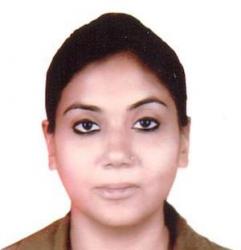
Dr. Sriparna Pathak
The author is an Assistant Professor and Assistant Academic Dean at the Jindal School of International Affairs, O.P. Jindal Global University, Sonipat, Haryana, India. She can be reached at [email protected].
COVID-19 and the End of Democracy?
The collapse of the Soviet Union led Francis Fukuyama to proclaim the end of history and the dawn of an era heralded by the...
China’s Hostage Diplomacy
The international system that has evolved in the 21st century may have moved far away from the World Wars, but what remains a fact...
Assessing Outcomes of an India-China Intel Sharing Pact
India-China relations, a mix of cooperation and conflict touch upon several important facets of 21st century international politics. However, cooperation on eradication of terrorism,...
India-China FTA: What Lies in Store for India
Among the many predicted ill impacts that the protracted trade war between the U.S. and China will have on the global trade and supply,...
Don't miss
Europe
The Russian Bear Claws and Paws for Strategic Momentum
As the conflict in Ukraine extends into its successive...
Sponsored
CGTN’s Global South Voices exposes the vulnerability of “China’s overcapacity” hype
"There's a lot of hype in certain countries, especially...
Geopolitics
On Thin Ice: Navigating the Pitfalls of Himalayan Geopolitics
When discussing Asian power politics, there is an understandable...
Foreign Policy
Unveiling the Real Playbook Behind U.S. Aid in the Ukrainian Theatre
The recent approval of a substantial aid package by...
Opinion
Is There Overcapacity or Insufficient Supply in China’s New Energy?
As a developing country deeply intertwined in the global...
