
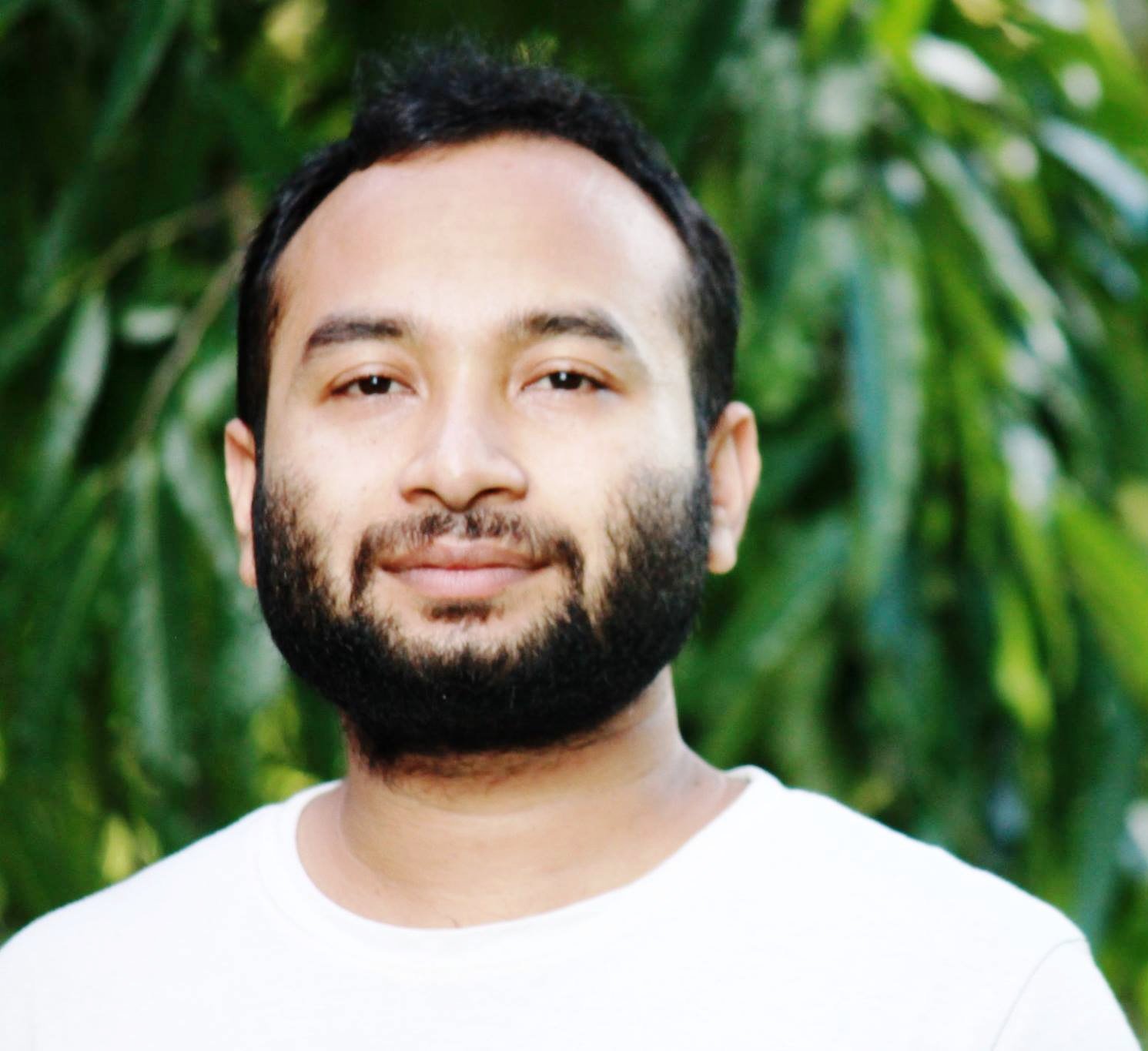
Md. Aslam Hossain
Md. Aslam Hossain is a part-time senior editor of The Geopolitics. He is also an entrepreneur. He has earned his Bachelor of Arts and Master of Arts in International Relations. His focus is on geopolitics and security.
South China Sea: US-China Cold War in the Making
The world has been witnessing dramatic political development on the issue of the South China Sea for the last few years. The United States...
The Dynamics of India-China Relations
The underlying dynamics of India-China relations is not necessarily zero-sum in nature. The previous year saw a few events that negatively impacted Sino-Indian relations....
American Pivot to India: The Future of India-US Relations
India is an emerging power and going to be a key player in the geopolitical matrix of Asia and the Pacific. It is the...
Rohingyas and the Case of Ethnic Cleansing
For generations, Muslim Rohingyas have faced persecution and discrimination in Myanmar. Even in the time of peace, they do not have access to jobs....
The Global Rise of India
India has achieved tremendous success in various sectors. It has emerged as an important regional and global player for being an economic powerhouse, strong...
China-Myanmar Relations: Issues and opportunities
China has profoundly influenced the geostrategic environment in Asia and the Pacific. Myanmar retains a crucial position in emerging Chinese regional order. The direction...
Why are there only 5 permanent seats on the UN Security Council?
United Nations is an international organization of nations. It was created to ensure an environment of mutual cooperation, maintaining security, economic development, social progress...
Will the spread of technology end the nation state?
Nationalism is the life-blood and foundation of the nation-state. As long as there is nationalism, there will be nation-states. Now, the question is will...
Don't miss
Foreign Policy
How Strategic Autonomy Played a Central Role in Modi’s Russia Visit?
During the Cold War days, India was the vanguard...
Human Rights
Rohingya Tragedy: Human Values Must Be Above All
There is no suffering more painful than when humanity...
Foreign Policy
India’s Multi-alignment Policy and Its Response to the Ukrainian War
India’s foreign policy under the leadership of Prime Minister...
Opinion
Donald Trump-Orban Meeting and the Populist-Liberal Debate
In recent days, the electoral verdicts in UK and...
Southeast Asia
Indonesia Can Learn from Germany regarding Corruption Prevention and Control
Corruption is like a cancer that is eating away...
