
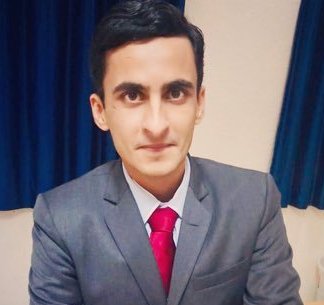
Kashish Parpiani
Kashish Parpiani is a Research Fellow at the Observer Research Foundation (Mumbai). His research interests are U.S. Grand Strategy, U.S. Civil-Military Relations, and U.S. Foreign Policy in the Indo-Pacific.
U.S. Congress Set to Further Rein Back Trump’s Foreign Policy Powers
Trump-era trend of the locus of U.S. foreign policy shifting to the Capitol Hill set to accentuate as Democrats retake control of the U.S....
Don't miss
Foreign Policy
Unveiling the Real Playbook Behind U.S. Aid in the Ukrainian Theatre
The recent approval of a substantial aid package by...
Opinion
Is There Overcapacity or Insufficient Supply in China’s New Energy?
As a developing country deeply intertwined in the global...
Central Asia
Kazakhstan’s New Legislation to Combat Domestic Violence
On April 15, the President of Kazakhstan, Kassym-Jomart Tokayev,...
Opinion
Analyzing Israel’s Calculated Response in the Shadow of Nuclear Concerns
In the ever-tense landscape of Middle Eastern geopolitics, Israel’s...
Geopolitics
Semiconductor Diplomacy: The 21st Century Oil
It’s hard to think of a component, in any...
