
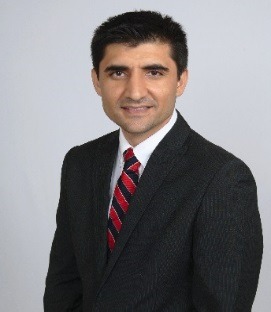
Ahmad Murid Partaw
Ahmad Murid Partaw is a former Afghanistan Senior National Representative (SNR) to the U.S. Central Command (USCENTCOM) and a graduate of Political Science from the University of South Florida (USF). He is currently teaching as an Adjunct Professor of Political Science at Hillsborough College in Tampa. His research focuses on AfPak politics and the Middle East. He writes about Afghanistan and Pakistan in Journal of Political Science and Public Affairs, Foreign Policy Journal, The National Interest, IHS Janes, Eurasia Journal, Kabul Times, and Indian Strategic Studies.
The United States Needs a Political Strategy to Win in Afghanistan
Since the establishment of the National Unity government (NUG) in Afghanistan, the security and political situation have precipitously declined across the country. Significant problems...
Don't miss
Europe
The Russian Bear Claws and Paws for Strategic Momentum
As the conflict in Ukraine extends into its successive...
Sponsored
CGTN’s Global South Voices exposes the vulnerability of “China’s overcapacity” hype
"There's a lot of hype in certain countries, especially...
Geopolitics
On Thin Ice: Navigating the Pitfalls of Himalayan Geopolitics
When discussing Asian power politics, there is an understandable...
Foreign Policy
Unveiling the Real Playbook Behind U.S. Aid in the Ukrainian Theatre
The recent approval of a substantial aid package by...
Opinion
Is There Overcapacity or Insufficient Supply in China’s New Energy?
As a developing country deeply intertwined in the global...
