
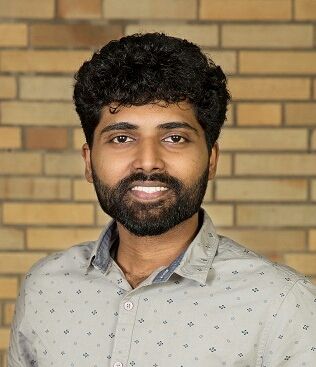
Mufsin Puthan Purayil
The author is a PhD Candidate in Public Policy & Management at the Indian Institute of Management (IIM) Calcutta, India. He holds an MPhil in Planning and Development from the Indian Institute of Technology Bombay, India. Recently, he has been a DAAD funded exchange scholar to the Centre for Modern Indian Studies (CeMIS), University of Gottingen, Germany. His research interests include public policy, South Asian history & politics, and migration.
India’s COVID-19 Crisis: Time for a National Unity Government?
With its reported COVID-19 cases crossing 17500, India is now bracing itself for hard times. Although India’s drastic measure of an extended nation-wide lockdown...
Don't miss
Europe
The Russian Bear Claws and Paws for Strategic Momentum
As the conflict in Ukraine extends into its successive...
Sponsored
CGTN’s Global South Voices exposes the vulnerability of “China’s overcapacity” hype
"There's a lot of hype in certain countries, especially...
Geopolitics
On Thin Ice: Navigating the Pitfalls of Himalayan Geopolitics
When discussing Asian power politics, there is an understandable...
Foreign Policy
Unveiling the Real Playbook Behind U.S. Aid in the Ukrainian Theatre
The recent approval of a substantial aid package by...
Opinion
Is There Overcapacity or Insufficient Supply in China’s New Energy?
As a developing country deeply intertwined in the global...
