
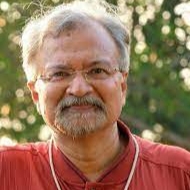
K.M. Seethi
K.M. Seethi is ICSSR Senior Fellow and the Academic Advisor of the International Centre for Polar Studies at Mahatma Gandhi University, Kerala. He also served as Senior Professor and Dean of International Relations at MGU.
India’s Quest for Major Power Status: Challenges and Opportunities
T.V. Paul (2024). The Unfinished Quest: India’s Search for Major Power Status from Nehru to Modi. New York. Oxford University Press. In the realm of...
Rising Tensions in the Arctic: Norway and Russia at Odds Over Svalbard
As the Arctic continues to thaw, geopolitical tensions are heating up, particularly around the remote and strategic archipelago of Svalbard. Located midway between the...
The Antarctic Region Is Set to Witness More Regulatory Measures
Amidst the evolving landscape of the Antarctic region, characterized by the growing geopolitical interests of major powers, the urgent imperative of scientific research in...
Treading Carefully: India’s Diplomatic Tightrope in the Neighbourhood
India’s foreign policy often recedes amidst the fervour of general elections, yet glimpses of it emerge in the carefully crafted manifestos of political parties....
Indian Seafarers in Search of Enhanced Security and Rights Protection
The maritime industry, vital for global trade, heavily relies on seafarers who face significant challenges and vulnerabilities in their line of duty. India, contributing...
The Katchatheevu Dilemma: Looking Beyond the Electoral Lens
The revival of the Katchatheevu island issue, a once-resolved maritime issue between India and Sri Lanka, has brought a new twist to India’s electoral...
Russia, the West, and Churning Arctic Geopolitics
Amidst Vladimir Putin’s prolonged presidency in Russia, the conflict in Ukraine has persisted in the third year alongside escalating geopolitical tensions in the Arctic....
Don't miss
Foreign Policy
How Strategic Autonomy Played a Central Role in Modi’s Russia Visit?
During the Cold War days, India was the vanguard...
Human Rights
Rohingya Tragedy: Human Values Must Be Above All
There is no suffering more painful than when humanity...
Foreign Policy
India’s Multi-alignment Policy and Its Response to the Ukrainian War
India’s foreign policy under the leadership of Prime Minister...
Opinion
Donald Trump-Orban Meeting and the Populist-Liberal Debate
In recent days, the electoral verdicts in UK and...
Southeast Asia
Indonesia Can Learn from Germany regarding Corruption Prevention and Control
Corruption is like a cancer that is eating away...
