
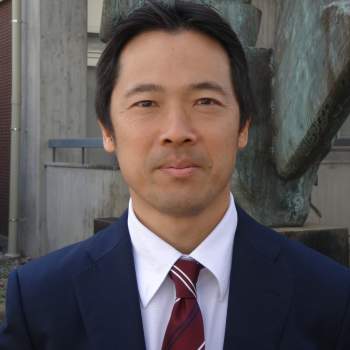
Keikichi Takahashi
Keikichi Takahashi is a professor at Osaka University in Japan, specializing in U.S. diplomacy toward East Asia. He is the author of a Japanese-language book titled "China or Japan? The American Search for a Partner in East Asia, 1941-1954."
Regime Change Cannot Be a Foreign Policy Option for Any World Leaders
The U.S. President Joe Biden was on a two-day visit to Poland in March and concluded it with a speech about the Russo-Ukrainian War...
History Strengthens Ely Ratner’s Testimony About Taiwan
On Dec. 8, 2021, Ely Ratner, Assistant Secretary of Defense for Indo-Pacific Security Affairs, testified an issue of Taiwan’s security at a Senate Foreign...
Don't miss
Geopolitics
On Thin Ice: Navigating the Pitfalls of Himalayan Geopolitics
When discussing Asian power politics, there is an understandable...
Foreign Policy
Unveiling the Real Playbook Behind U.S. Aid in the Ukrainian Theatre
The recent approval of a substantial aid package by...
Opinion
Is There Overcapacity or Insufficient Supply in China’s New Energy?
As a developing country deeply intertwined in the global...
Central Asia
Kazakhstan’s New Legislation to Combat Domestic Violence
On April 15, the President of Kazakhstan, Kassym-Jomart Tokayev,...
Opinion
Analyzing Israel’s Calculated Response in the Shadow of Nuclear Concerns
In the ever-tense landscape of Middle Eastern geopolitics, Israel’s...
