
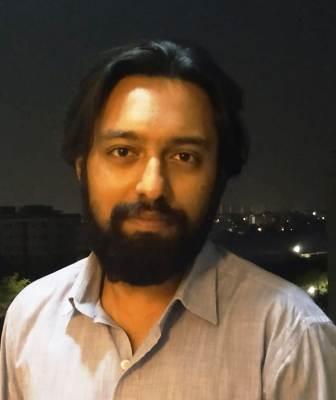
Rajdeep Sarkar
The author is a PhD student in Political Science at the University of Hyderabad, with research interests in philosophy, psychoanalysis and politics.
Christchurch Mosque Shootings: Diplomacy for Whom and for What?
A popular reaction immediately following the Christchurch mosque shootings was one of shock, because of where it happened: But how could it have happened...
Don't miss
South Asia
Empowering Women: Fostering Collective Action in Nepalese Cooperatives
Collective action has been a fundamental aspect of human...
Sponsored Post
A Real and Charming China in the Eyes of Taiwan Youths
As the yearning for more cross-Straits communications between the...
Defense
Why Macron Is Thinking About Western Intervention in Ukraine
Emmanuel Macron, the President of France, initially took a...
Middle East and Africa
Ensuring Israeli Security and Palestinian Liberation to Avert World War
The post-October 7 Israel-Hamas war highlights perhaps the sheerest...
Europe
To Secure a Peaceful and Prosperous Future, Women Must Be Included at All Levels
For the first time in our history, Northern Ireland...
