
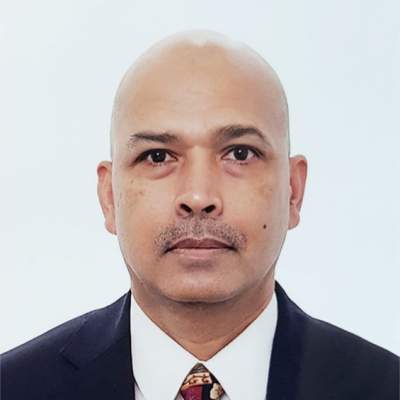
Mahfuzur Rahman
Mahfuzur Rahman is a former ambassador of Bangladesh. A graduate of Bangladesh University of Engineering & Technology, Dhaka and Monash University, Melbourne; Rahman writes on diplomacy, governance and international relations at Bangladeshi newspapers, both in Bangla and in English. From September 2012 to June 2015, he was director general in Bangladesh’s foreign office looking after Americas desk. He was trained at, among others, Harvard Kennedy School, Boston; Asia Pacific Centre for Security Studies, Hawaii; Maryland University, Maryland.
The 8th Bangladesh-U.S. Partnership Dialogue – A Mere Formality Amid Big Expectations
The 8th Bangladesh-U.S. Partnership Dialogue was held in Dhaka on Mar. 20, 2022. As it was the first face to face interaction between the...
Don't miss
Opinion
Analyzing Israel’s Calculated Response in the Shadow of Nuclear Concerns
In the ever-tense landscape of Middle Eastern geopolitics, Israel’s...
Geopolitics
Semiconductor Diplomacy: The 21st Century Oil
It’s hard to think of a component, in any...
Europe
Security Aspect in China-Serbia Relations: Digital and Military Cooperation
Sino-Serbian partnership has been on a rise ever since...
South Asia
Indian Seafarers in Search of Enhanced Security and Rights Protection
The maritime industry, vital for global trade, heavily relies...
Americas
Be Careful What You Wish For: Multi-Polarity Advocates Will Yearn For Pax-Americana
The need for national leaderships to rally towards countering...
