
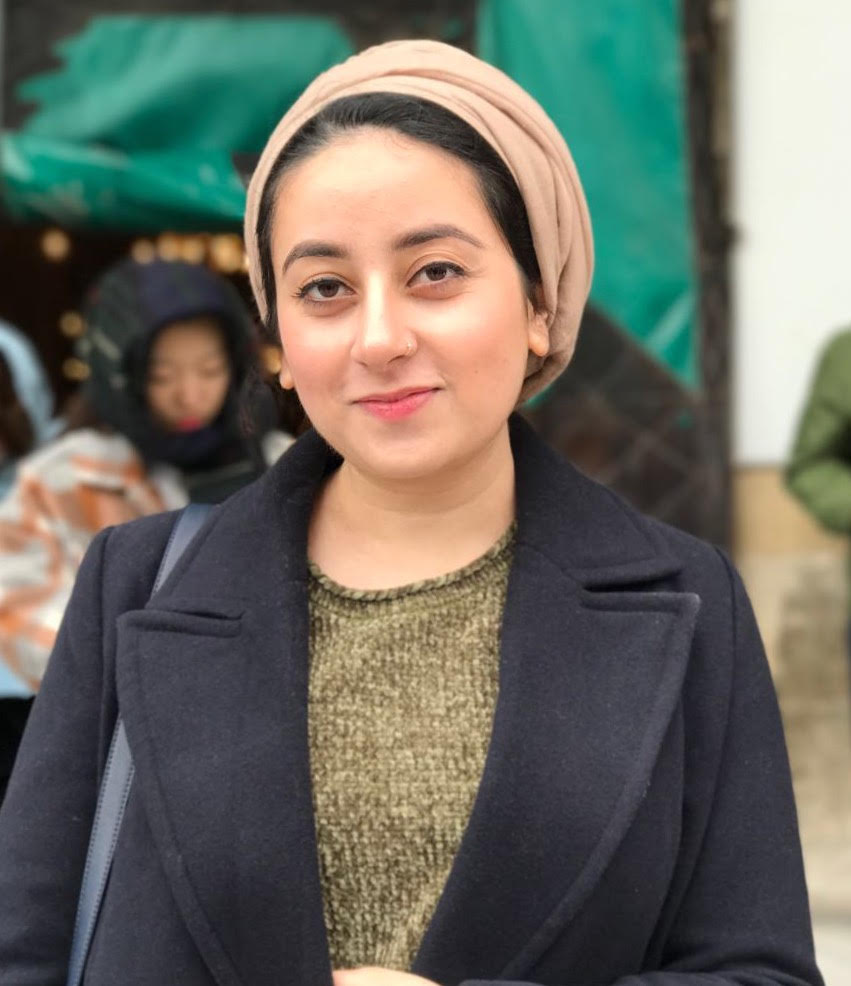
Fareeha Shamim
The author is a Research Associate at the Strategic Studies Institute Islamabad (SSII). She holds a BA in International Relations and Economics with a focus in International Ethics from Mount Holyoke College. Her research interests include religion and politics in Asia, ethics of war and peace, and the Kashmir dispute.
The Increasing Significance of Anti-drone Technology for Pakistan
On June 5, the Pakistan Army shot down an Indian spy drone that violated Pakistan’s airspace by intruding 500 meters inside Pakistan’s side of...
Growing Islamophobia Amid the Coronavirus Pandemic
On March 19, 2020, Brenton Tarrant - the man behind the Christchurch shootings in New Zealand - pleaded guilty to 51 charges of murder....
Can Pakistan Pressurize India Over Its Kashmir Policy?
With the incessant lockdown in Kashmir crossing 200 days, Kashmiris are being exposed to the worst kind of human rights violations. Hindu extremists, relishing...
Don't miss
Sponsored Post
A Real and Charming China in the Eyes of Taiwan Youths
As the yearning for more cross-Straits communications between the...
Defense
Why Macron Is Thinking About Western Intervention in Ukraine
Emmanuel Macron, the President of France, initially took a...
Middle East and Africa
Ensuring Israeli Security and Palestinian Liberation to Avert World War
The post-October 7 Israel-Hamas war highlights perhaps the sheerest...
Europe
To Secure a Peaceful and Prosperous Future, Women Must Be Included at All Levels
For the first time in our history, Northern Ireland...
Diplomacy
US-China Rivalry and ASEAN’s Fine Balancing Act
In recent years, Association of South East Asian Nations...
