
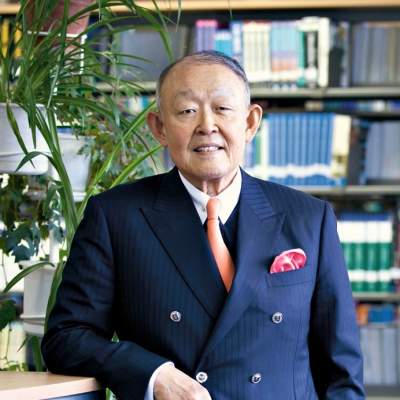
Dr. Chan Young Bang
Dr. Chan Young Bang is president of KIMEP University, principal investigator at the DPRK Strategic Research Centre, and a former economic adviser to Nursultan Nazarbayev, the former president of Kazakhstan. His current research focuses on nuclear proliferation and the economic development of the DPRK.
Should Kim Jong Un Suddenly Exit His Reign, It Would Spell the End of the DPRK
There is the distinct possibility that Kim Jong Un may suddenly end his reign as a result of his tumultuous health. This risk has...
History Repeats: What Biden Must Do to Break From the U.S.-North Korea Policy Trap
With the Biden administration’s lukewarm commitment to engaging with North Korea in the ambivalently stated realms of diplomacy and deterrence, we are witnessing President...
Don't miss
Europe
Strategic Ambiguity of Macron’s Call for Troops in Ukraine: What Is Behind?
Macron’s call for the NATO troops in Ukraine shook...
Middle East and Africa
How the Anti-West Axis Leverages Western Guilt
The United States’ wars in Iraq and Afghanistan have...
Defense
Iran’s Ascendant Arsenal and King David’s Nuclear Slingshot
In the unfolding tapestry of Middle Eastern geopolitics, the...
Geopolitics
Philippines-US Relations and the China Factor
Philippine President Ferdinand Marcos Jr’s visit to US, April...
South Asia
Empowering Women: Fostering Collective Action in Nepalese Cooperatives
Collective action has been a fundamental aspect of human...
