
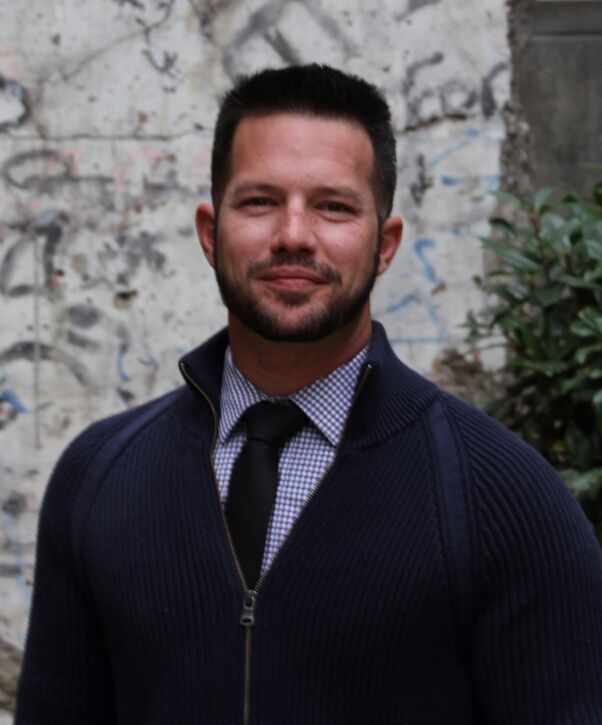
Brandon C. Patrick
The author is a doctoral candidate in the Strategic Studies department at Johns Hopkins SAIS, where his research focuses on Iranian military innovation in the “maximum pressure” age. Brandon also works as a defense analyst in the D.C. area. He completed undergraduate degrees in Arabic and Middle Eastern / North African studies from the University of Arizona after serving as a linguist in the USAF. He lives with his wife in northern Virginia.
Before the Spark: The Decades-Long Roots of the Syrian Civil War
Syrian President Bashar al-Assad was unaware of the coming inferno – one which would rage across North Africa and into the Middle-East, leaving in...
Don't miss
Geopolitics
Semiconductor Diplomacy: The 21st Century Oil
It’s hard to think of a component, in any...
Europe
Security Aspect in China-Serbia Relations: Digital and Military Cooperation
Sino-Serbian partnership has been on a rise ever since...
South Asia
Indian Seafarers in Search of Enhanced Security and Rights Protection
The maritime industry, vital for global trade, heavily relies...
Americas
Be Careful What You Wish For: Multi-Polarity Advocates Will Yearn For Pax-Americana
The need for national leaderships to rally towards countering...
Europe
Armenia–Azerbaijan: A Chance to End the Cycle of Conflict
Every war and conflict experience pivotal moments that bring...
