
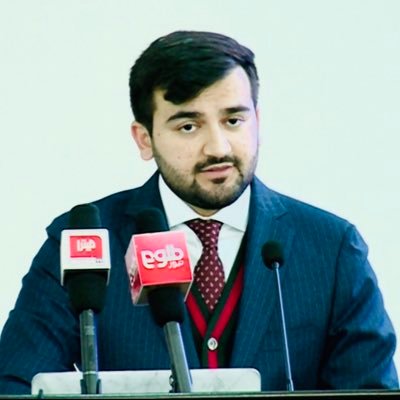
Abdul Bari Nijrabi
Abdul Bari Nijrabi is President and Founder of the International Institute for Peace, Democracy and Development. He is based between Kabul and Washington, DC.
Afghan Refugees in Iran: Yesterday’s Assets, Today’s Troubles
Conflicts are rarely contained within a country's geographic borders, in fact, during the twenty-first century they have almost always impacted a country's neighbors. This...
Don't miss
Central Asia
Kazakhstan’s New Legislation to Combat Domestic Violence
On April 15, the President of Kazakhstan, Kassym-Jomart Tokayev,...
Opinion
Analyzing Israel’s Calculated Response in the Shadow of Nuclear Concerns
In the ever-tense landscape of Middle Eastern geopolitics, Israel’s...
Geopolitics
Semiconductor Diplomacy: The 21st Century Oil
It’s hard to think of a component, in any...
Europe
Security Aspect in China-Serbia Relations: Digital and Military Cooperation
Sino-Serbian partnership has been on a rise ever since...
South Asia
Indian Seafarers in Search of Enhanced Security and Rights Protection
The maritime industry, vital for global trade, heavily relies...
