
The United States’ military is by far the most powerful and advanced in the world. There is no point in comparing the military might of the United States with that of North Korea. Washington alone accounts for nearly one half of the entire world military budget and it spends approximately six times more than the second highest China. So, if America attacks North Korea nothing will happen to the United States. Besides, America is located at the other end of the Pacific Ocean.
The North does not have reliable missiles to reach the Continental United States. If Pyongyang launches missiles which are able to reach continental America, Washington will shoot it down with its GMD and Aegis systems. But there is another side of the story. The US must think of South Korea before invading the North because South Korea will heavily suffer and it is an important US ally.
North Korea cannot do much damage to the United States but they can make a great havoc in South Korea. The North has thousands of artillery pieces deployed near the DMZ; they have also thousands of short-range missiles which can hit anywhere in South Korea. They have an army of 1.2 million men, highly motivated to kill the South Koreans. Kim Jong-un might decide to press the nuclear button if he thinks, he cannot survive the war. If they unleash their military machine, Seoul would be reduced to smithereens within hours.
Since South Korea is a US ally, the US cannot risk the lives of millions of South Koreans by invading the North. A successful preemptive strike by Washington will not suffice to disarm Pyongyang entirely. In the event of a possible regime change in North Korea, China might enter the war on behalf of North Korea like it did in 1950 because the US is not invited to the borders of China. Beijing supports North Korea because it acts as a buffer between China and the US forces in South Korea. So we have to think of all the possible consequences before invading North Korea.
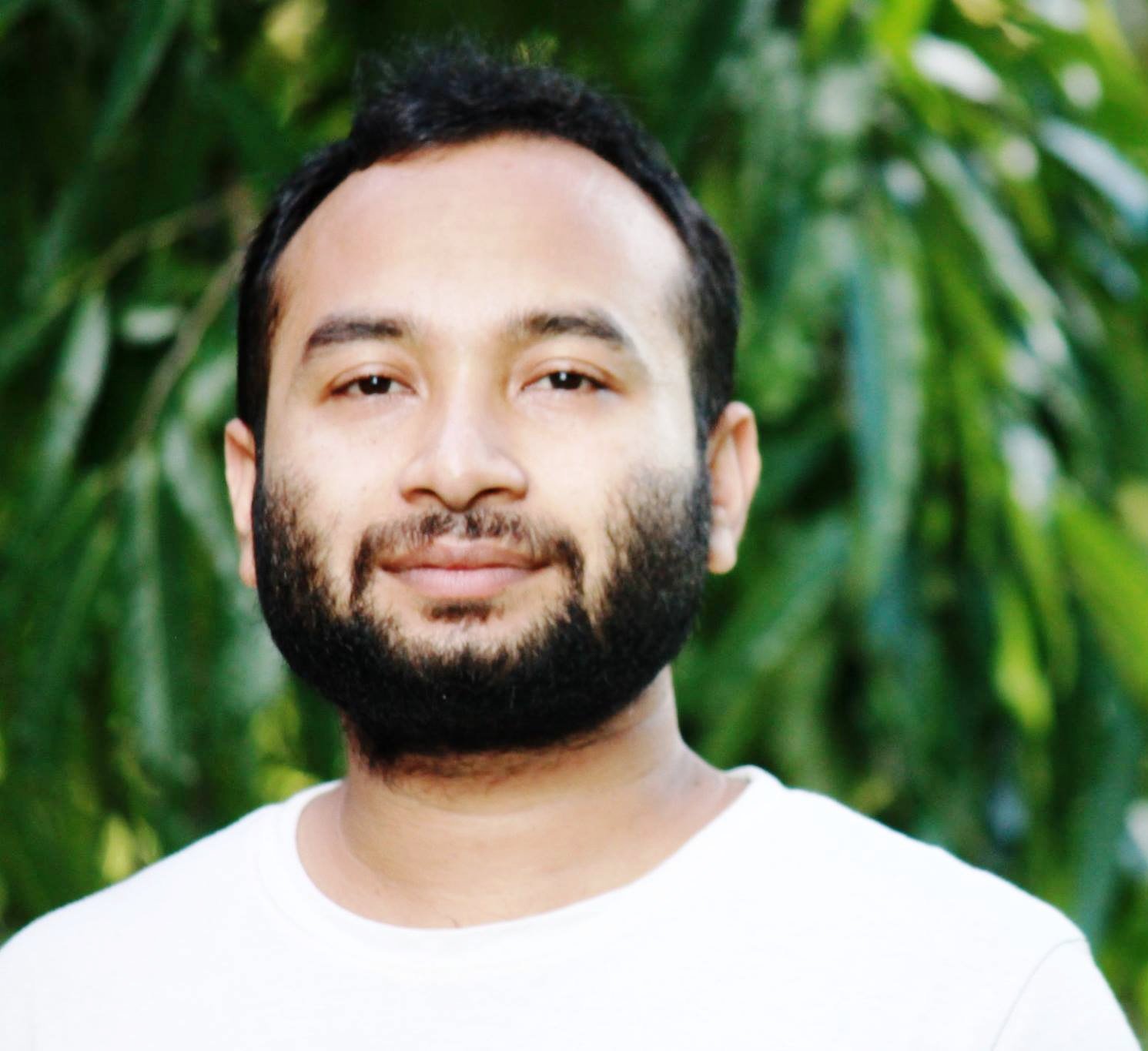
Md. Aslam Hossain is a part-time senior editor of The Geopolitics. He is also an entrepreneur. He has earned his Bachelor of Arts and Master of Arts in International Relations. His focus is on geopolitics and security.
